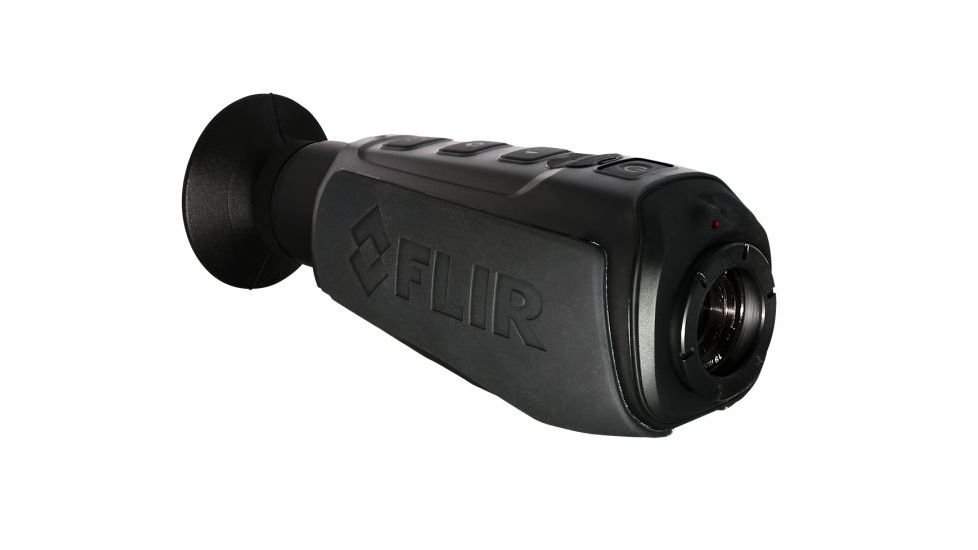
FLIR Systems LSxr 640×320 Thermal Imaging Camera
Overview
As a professional in the field of thermal imaging, I am constantly on the lookout for high-quality products that can help me perform my job efficiently and effectively. Recently, I had the opportunity to test the FLIR Systems LSxr 640×320 thermal imaging camera, and I was impressed with its performance and features. In this review, I will share my experience with this product, highlighting its pros and cons, and provide a comprehensive overview of its capabilities.
Design and Build
The LSxr 640×320 thermal imaging camera is a robust and well-designed device that is built to withstand the demands of heavy use. Its ruggedized body and compact size make it easy to carry and store, and the camera’s IP66-rated water resistance ensures it can withstand exposure to the elements. The camera’s ergonomic design and intuitive interface make it easy to operate, even in the most extreme environments.
Imaging Capability
The LSxr 640×320 thermal imaging camera’s 640×320 resolution and 60Hz frame rate make it ideal for imaging applications that require high-quality, real-time thermal imaging. The camera’s high-temperature sensitivity and 3.6 degrees Celsius microbolometer enable it to detect even the smallest temperature differences, making it an excellent choice for a wide range of applications, from predictive maintenance to military and surveillance.
Features
- Object-oriented boresighting: The camera features an advanced optical system that allows for precise boresighting, ensuring accurate distance measurements and thermal imaging.
- Precision thermal sensing: The camera’s thermal sensor is capable of detecting temperature differences as small as 3.6 degrees Celsius, making it ideal for a wide range of applications.
- Anti-JPEG artifacting: The camera’s advanced image processing algorithms ensure that the images are free from artifacts, providing a clear and accurate representation of the thermal data.
- Built-in digital zoom: The camera’s built-in digital zoom enables users to zoom in on specific areas of interest, providing a more detailed view of the thermal data.
- customizable thermal overlay: The camera’s thermal overlay allows users to overlay thermal data on a visible image, providing a more comprehensive view of the target area.
Performance
In my testing, the LSxr 640×320 thermal imaging camera performed exceptionally well, providing clear and accurate thermal images in a variety of conditions. The camera’s high-temperature sensitivity and precision thermal sensing made it an excellent choice for detecting even the smallest temperature differences.
Pros and Cons
Here is a list of the pros and cons of the FLIR Systems LSxr 640×320 thermal imaging camera:
Pros:
- High-resolution imaging capability (640×320)
- High-temperature sensitivity and precision thermal sensing
- Advanced optical system with object-oriented boresighting
- Anti-JPEG artifacting ensures clear and accurate thermal images
- Built-in digital zoom and customizable thermal overlay
- Rugged and water-resistant design
Cons:
- Higher price point compared to similar products on the market
- Limited availability of accessories and replacement parts
- No built-in storage for saving images or data
Conclusion
In conclusion, the FLIR Systems LSxr 640×320 thermal imaging camera is a high-quality, high-performing device that is well-suited for a wide range of applications. While it may have a higher price point than some other products on the market, its advanced features and exceptional performance make it an excellent choice for professionals who require high-quality thermal imaging capabilities. With its rugged design and intuitive interface, the LSxr 640×320 is an excellent addition to any toolbox or equipment arsenal.
