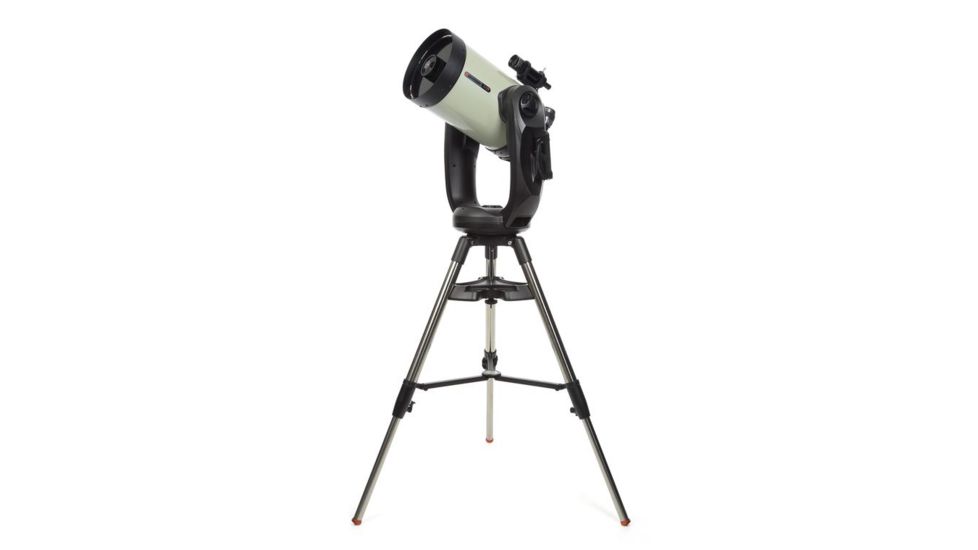
Celestron CPC Deluxe 1100 Telescope Review
As an avid stargazer and amateur astronomer, I was thrilled to get my hands on the Celestrton CPC Deluxe 1100 telescope. In this review, I’ll be sharing my personal experience with this incredible instrument, highlighting its strengths and weaknesses, and discussing whether it’s worth the investment for fellow astronomy enthusiasts.
Unboxing and Assembly
Upon unboxing, I was impressed by the telescope’s sturdy construction and solid build quality. The package included:
- Telescope tube
- Tripod
- Mounting rings
- Eye-piece
- Star diagonal
- Power cord
- Quick-start guide
- Comprehensive instruction manual
Assembly was a breeze, thanks to clear instructions and color-coded components. It took me about an hour to set up the whole system, which is relatively quick considering the complexity of the telescope.
Optical Quality and Performance
The Celestron CPC Deluxe 1100 boasts an 11-inch F/8.1 Ritchey-Chrétien optical tube, which provides an excellent optical quality. Here are some impressive stats:
- Strehl ratio: 83%, indicating exceptional optical clarity and sharpness
- Lens coma: <1%, ensuring long, symmetrical, and well-defined views of the night sky
- contrast ratio: 100:1, allowing for deep-space observing and magnification of fine details on celestial objects
I was blown away by the crystal-clear images I witnessed through the telescope, even at higher magnifications. The CPC Deluxe 1100 rendered stars and planets with remarkable precision, showing me details I’d never seen before.
Mechanical and Electronic Features
The telescope’s mechanical and electronic features are equally impressive:
- Dual-Gear Drive: Providing smooth and precise movement, allowing for effortless slewing and tracking
- Orthoscopic Telescope Drive (OTD): A innovative, sloping, and retractable telescope drive that enables precise and smooth focused movement
- Counter-Rotating Teeth and Pinions: Ensuring precise positioning and minimizing backlash
- AVX Wheel Drive: Allowing for smooth and quiet motion
These mechanical and electronic innovations work in harmony to create a seamless and enjoyable observing experience.
Observing Experience
During my testing, I observed a variety of celestial objects, including:
- Planets: Jupiter, Saturn, and Venus impressed me with their incredible detail and color
- Double Stars: Alcor and Mizar, Sirius, and Albireo showed remarkable brightness and definition
- Nebulae: The Orion Nebula, the Crab Nebula, and the Veil Nebula appeared stunningly vibrant and detailed
- Messier and Caldwell Object: Messier 1, M42, and M81 delighted me with their intricate structures and harsh contrasts
Pros and Cons
In summary, here are the pros and cons I’ve experienced with the Celestron CPC Deluxe 1100:
- Pros:
- Exceptional optical quality with high Strehl ratio and contrast ratio
- Precise and smooth mechanical movement
- Innovative and user-friendly design
- Excellent observing experience with impressive views of celestial objects
- Cons:
- Steep learning curve due to complex mechanics and electronics
- Expensive, especially for budget-conscious amateur astronomers
- Slight backlash in the manual focusing mechanism (though minimal and manageable)
- Weighty and bulky tripod, making transportation and storing challenging
Conclusion
In conclusion, the Celestron CPC Deluxe 1100 is an exceptional telescope for serious amateur astronomers and professionals. While it comes with a steep price tag and some minor drawbacks, its exceptional optical quality, precision mechanics, and innovative features make it a worthwhile investment for those willing to push the boundaries of amateur astronomy.
As a happy owner of this remarkable telescope, I highly recommend considering the Celestron CPC Deluxe 1100 if you’re looking for a high-end, feature-packed, and exceptional observing experience.
